Indonesian Vannamei Shrimp Export: Complete Buyer's Specification Guide
印度尼西亚南美白对虾出口:买家完整规格指南
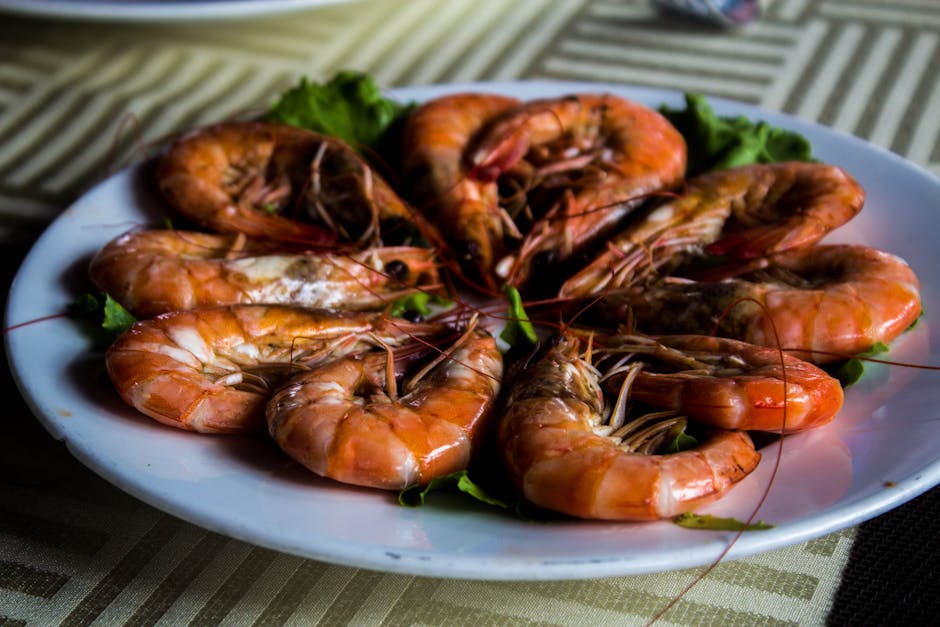
Everything international buyers need to know about sourcing vannamei shrimp from Indonesia — size grading, processing forms, HACCP requirements, cold chain, and why Indonesia is Asia's leading producer.
国际买家从印度尼西亚采购南美白对虾所需了解的一切——尺寸分级、加工形态、HACCP要求、冷链及印度尼西亚为何是亚洲领先生产国。
- ✓Indonesia produces over 300,000 MT of vannamei shrimp annually — one of Asia's largest producers alongside Vietnam and Ecuador, with production advantages in tropical climate and pond technology.
- ✓Vannamei size grades: HOSO 20/30, 30/40, 40/50, 50/60 count/kg for Asian markets; HLSO, PD, and PDTO forms for US, EU, and Middle Eastern retail and foodservice.
- ✓IQF (Individually Quick Frozen) is preferred for retail and portioning flexibility; block frozen is cost-effective for industrial buyers with their own further processing.
- ✓Mandatory certifications: HACCP (KKP), BRC Grade A (for EU/UK retail), Halal MUI (Middle East and Muslim markets), BKIPM Health Certificate (every shipment).
- ✓East Java and Sumatra are Indonesia's primary production zones, with modern aquaculture ponds achieving 2–3 production cycles per year and antibiotic-free protocols meeting EU MRL requirements.
Indonesia as a Global Vannamei Shrimp Producer
Indonesia is consistently ranked among the world's top three vannamei shrimp producing nations, alongside Ecuador and Vietnam. Annual production exceeds 300,000 metric tonnes from certified aquaculture operations concentrated in East Java (particularly the Sidoarjo and Pasuruan districts) and Sumatra (Lampung, South Sumatra). The tropical climate enables 2–3 harvest cycles per year — a structural production advantage over temperate-zone competitors.
According to FAO Shrimp Production Statistics, global vannamei production has grown more than 500% since 2000, with Southeast Asian producers accounting for the majority of this growth. Indonesia's contribution is built on modern intensive and semi-intensive pond systems that have adopted high-density stocking, automatic feeders, aerators, and real-time water quality monitoring — reducing production risk and improving consistency.
Size Grading System
Vannamei shrimp are sized by count per kilogram (in Asian/European markets) or count per pound (in US markets). The most commercially important grades:
| Grade (count/kg) | US Grade (count/lb) | Typical Market |
|---|---|---|
| 20/30 | 10/15 | Japan live/fresh, premium Asian retail |
| 30/40 | 16/20 | Asian wet market, HoReCa |
| 40/50 | 21/25 | European retail, US foodservice |
| 50/60 | 26/30 | US retail, mass market foodservice |
| 60/80 | 31/40 | Mass market, cracker manufacturing |
Processing Forms Explained
HOSO (Head-On Shell-On): The most natural form, sold live or frozen with full head and shell. Preferred in Asian wet markets for presentation and head-fat flavor contribution.
HLSO (Headless Shell-On): Head removed, shell retained. The standard for European and North American frozen retail, as the shell protects flesh during freezing and cooking.
PD (Peeled & Deveined): Shell removed, vein removed. The most versatile form for restaurant and retail. Both IQF and block frozen available.
PUD (Peeled, Undeveined): Shell removed only. Lower cost than PD, used in industrial applications where vein removal occurs during further processing.
PDTO (Peeled, Deveined, Tail-On): The premium retail and restaurant format. Tail shell retained for visual appeal in cocktail shrimp, tempura, and ring presentations.
Cold Chain Requirements
Vannamei shrimp is extremely sensitive to temperature abuse. Core requirements:
- —Processing facility: 0–4°C throughout raw material handling
- —IQF freezing: -35°C blast freeze, product core -18°C within 30 minutes
- —Cold storage: -22°C ± 2°C
- —Reefer container: -18°C continuous, with pre-trip inspection report
- —Destination reception: cold storage within 2 hours of container opening
For full cold chain documentation requirements, see our Cold Chain Logistics Guide.
Certification Requirements
All vannamei shrimp exports from TaMainco carry:
- —HACCP: KKP-issued, covers aquaculture-to-export-carton traceability
- —BRC Grade A: Jakarta processing facility, annual audit cycle
- —Halal MUI: Complete processing line certification
- —BKIPM Health Certificate: Issued per shipment by Indonesia's Fish Quarantine Authority
For China-bound shipments, additionally required: GACC-registered facility status (exporters verify at GACC database) and CIQ compliance documentation.
For the EU, antibiotic residue testing (EU MRL panel) in COA is mandatory. Request specific EU panel COA from an accredited third-party laboratory — not just an internal QC report.
East Java and Sumatra Production Zones
East Java (Sidoarjo, Pasuruan, Probolinggo): Indonesia's most established vannamei-producing region, with decades of pond management expertise. Close proximity to Surabaya port (Tanjung Perak) minimizes cold chain risk in the inland transport leg.
Sumatra (Lampung, South Sumatra, Bengkulu): Newer production zones with large-scale modern pond systems, often more cost-competitive than East Java. Slightly longer transit to Surabaya port, managed by established cold chain logistics operators.
Contact TaMainco for current price list and stock availability via WhatsApp or the contact form. View our Vannamei Shrimp product specifications for current size grades and packaging options.
印度尼西亚南美白对虾生产概述
印度尼西亚是全球前三大南美白对虾生产国之一,年产量超过30万公吨。东爪哇(尤其是西都阿尔佐和帕苏鲁安地区)和苏门答腊(楠榜、南苏门答腊)是主要生产区。热带气候使每年可进行2-3个养殖周期,是与温带竞争国相比的结构性生产优势。
尺寸分级体系
南美白对虾按每公斤数量(亚洲/欧洲市场)或每磅数量(美国市场)进行分级:
- —20/30条/kg:日本活/鲜虾及高端亚洲零售
- —30/40条/kg:亚洲湿货市场、餐饮服务
- —40/50条/kg:欧洲零售、美国餐饮服务
- —50/60条/kg:美国零售、大众市场餐饮
加工形态说明
主要形态包括:HOSO(头壳俱全)、HLSO(去头带壳)、PD(去壳去肠线)、PUD(去壳留肠线)和PDTO(去壳去肠线留尾)。每种形态服务于不同市场和应用场景。
TaMainco的所有南美白对虾均持有HACCP、BRC A级、清真MUI认证及BKIPM卫生证书,可直接出口至全球主要市场。
Ready to place an order?
Contact us for current pricing, availability, and samples.
联系我们获取当前报价、库存及样品