B2B Buyer Guide to Sourcing Indonesian Products: What Every Importer Should Know
印尼产品B2B采购指南:每位进口商必须了解的事项

A practical B2B buyer guide covering due diligence essentials for sourcing Indonesian marine products, spices, vanilla, furniture, and minerals — certifications, hidden costs, and origin verification.
面向国际买家的印尼产品B2B采购实用指南,涵盖海产品、香料、香草豆、家具及矿产品的核心尽职调查——认证、隐性成本与原产地核实。
- ✓Indonesian B2B exports span minerals, furniture, vanilla beans, spices, seafood, and agricultural products — each category carries distinct compliance requirements.
- ✓Destination port charges, customs delays, and added inspections are common hidden costs that erode competitive pricing for furniture and commodity importers.
- ✓ISO 22000 and HACCP certifications address contamination risks specific to spice exports — verify them against issuing body registries before onboarding any supplier.
- ✓When sourcing vanilla beans, ask exporters to document the lot's source district and purchase chain to confirm true growing origin.
- ✓Some Indonesian manufacturers charge high, non-refundable sample fees that may be added to the final invoice without prior disclosure — negotiate terms in writing.
B2B Buyer Guide to Sourcing Indonesian Products: What Every Importer Should Know
Indonesia ranks among the world's leading export markets for marine products, agricultural commodities, minerals, furniture, vanilla, and spices. This guide covers the essential due diligence steps — certifications, hidden costs, and traceability — that B2B buyers need before placing their first order.
> Key Takeaways
>
> - Indonesian B2B exports span minerals, furniture, vanilla beans, spices, seafood, and agricultural products — each category carries distinct compliance requirements
> - Destination port charges, customs delays, and added inspections are common hidden costs that erode competitive pricing
> - ISO 22000 and HACCP certifications address contamination risks specific to spice exports — verify them before onboarding any supplier
> - When sourcing vanilla beans, ask exporters to document the lot's source district and purchase chain to confirm true growing origin
> - Some Indonesian manufacturers charge high, non-refundable sample fees that can be added to the final invoice without prior disclosure
What Indonesian Products Are Available for B2B Export?
Based on available data, Indonesian B2B export products include minerals such as nickel, silica, aluminium, and zircon; furniture including teak and mahogany; vanilla beans; and spices such as nutmeg, mace, and cassia (according to Indoalam, MPP Furniture, PT Supplier Vanilla Indonesia, and Monchy Natural Products).
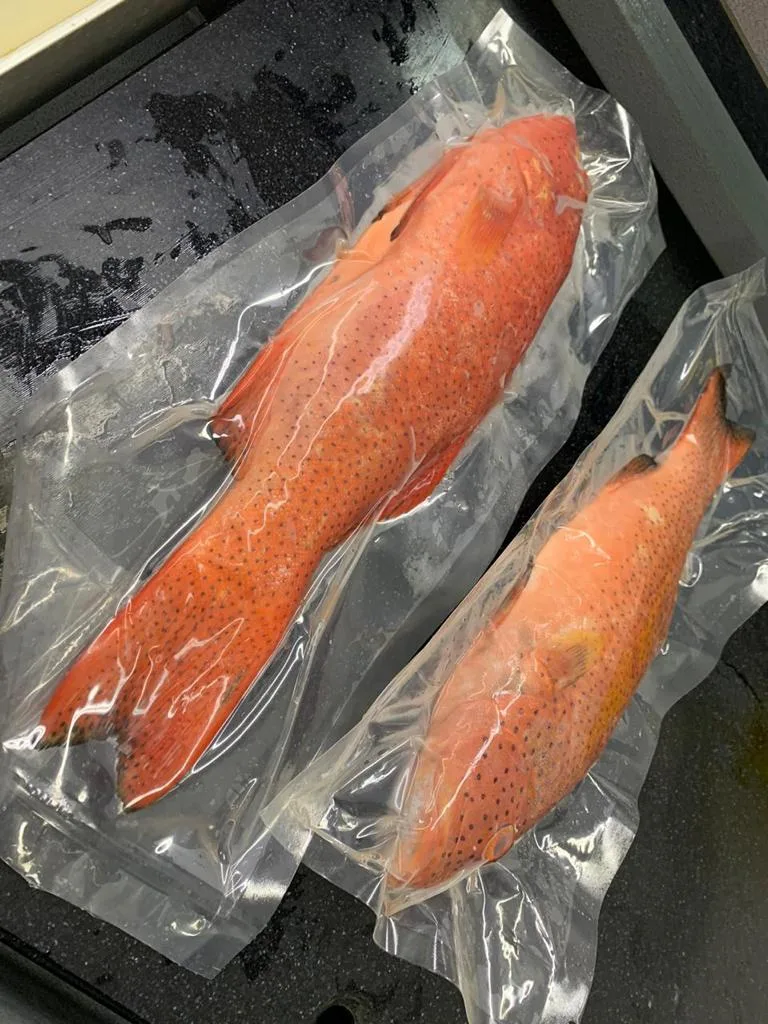
For marine and agricultural products, TaMainco's catalog covers premium grouper species, loligo squid, vannamei shrimp, and agricultural commodities including Arabica coffee and premium spices. A full overview is available at /products/ and by category.
Marine Products
Indonesian waters — particularly the Banda Sea, Maluku archipelago, and the Coral Triangle — produce seafood of exceptional quality. Key categories available for B2B export include:
- —Grouper: Red Grouper, Flower Grouper, and Dragon Tiger Grouper
- —Shrimp: Vannamei Shrimp and Frozen Peeled Shrimp
- —Squid: Loligo Squid and Squid Rings IQF
- —Fish: Spanish Mackerel, Goldband Snapper, and Fresh Tuna
Browse the full marine products category for specifications and availability.
Agricultural Products
Indonesian agricultural exports include spices, coffee, and processed commodities. Key categories include Arabica coffee and premium spices, available through the agricultural products category.
What Hidden Costs Should B2B Buyers Watch Out For?
According to MPP Furniture, B2B buyers should watch out for destination port charges, customs delays, and added inspections, as these fees arise before goods reach the warehouse and can erode competitive pricing.
These cost categories apply across product types. Buyers of Indonesian seafood and agricultural products face comparable risks — port holding fees during inspection backlogs, cold storage charges when customs clearance is delayed, and surcharges for additional phytosanitary or health certificate checks at destination.
Reviewing your full import documentation requirements before booking a shipment reduces the likelihood of unexpected detention fees. For seafood export pricing structure, see our overview of FOB vs CIF trade terms and the export documents required for importing seafood from Indonesia.
Why Do ISO 22000 and HACCP Certifications Matter When Sourcing Indonesian Spices?
According to Bhavana Spice, operating with food safety management systems aligned to ISO 22000 and HACCP principles helps address the specific contamination risks inherent in spice export, which is a key concern for global B2B buyers sourcing Indonesian spices.
Spices are a high-risk commodity for microbial contamination, mycotoxins, and adulteration. ISO 22000 provides a framework for identifying hazards throughout the supply chain; HACCP applies that framework at critical control points in processing and packaging.
For buyers, requesting current ISO 22000 and HACCP certificates — and verifying them against the issuing body's registry — is standard practice before onboarding any Indonesian spice supplier. The same due diligence framework applies to seafood certifications; see our Indonesian seafood certifications guide for a detailed breakdown.
How Can B2B Buyers Verify the Origin of Indonesian Vanilla Beans?
According to PT Supplier Vanilla Indonesia, if origin matters for labelling, sustainability claims, or preferential tariffs, buyers should ask the exporter how the lot was bought, from which district, and how origin is documented, as informal border trade can affect where vanilla was actually grown versus exported from.
Origin documentation matters for three reasons in B2B vanilla procurement:
- —Labelling accuracy: Country-of-origin claims on retail packaging must reflect true growing origin, not re-export origin
- —Sustainability certifications: Rainforest Alliance and Fairtrade certificates are lot-specific and cannot be transferred to product sourced from a different origin
- —Preferential tariffs: RCEP and other trade agreements grant tariff preferences based on origin; informal cross-border trade can disqualify a shipment from these benefits
Buyers should request a lot-level traceability document — not just an exporter-level certificate — that maps the purchase chain from farmer cooperative or collection point to processing facility.
What Should B2B Buyers Know About Sample Fees?
According to MPP Furniture, some Indonesian furniture manufacturers charge high, often non-refundable sample fees and additional fees for design revisions; in some cases, sample fees have been unexpectedly added to the final order invoice even after the order was confirmed.
Best practice for B2B buyers is to negotiate and document sample fee terms in writing before requesting samples. Key points to clarify:
- —Whether the fee is refundable against the first production order
- —Whether revision rounds are included in the quoted sample cost
- —Whether the sample fee can appear as a separate line item on the production invoice
For seafood and agricultural commodity buyers, sample requests typically involve airfreight costs for a test lot rather than production sample fees. Confirm sample shipping terms and any associated cold chain charges in advance. Visit our contact page to request product samples or inquire about pricing.
Frequently Asked Questions
What types of Indonesian products are most commonly sourced by B2B buyers?
Based on available data, Indonesian B2B exports include minerals (nickel, silica, aluminium, zircon), furniture (teak and mahogany), vanilla beans, and spices (nutmeg, mace, cassia), alongside marine products such as grouper, shrimp, and squid, and agricultural commodities such as Arabica coffee.
Why do destination port charges catch B2B buyers off guard?
According to MPP Furniture, destination port charges, customs delays, and added inspections arise before goods reach the warehouse and can erode competitive pricing. These costs are often excluded from supplier FOB or CIF quotes and only become visible at clearance.
What certifications should I verify when sourcing Indonesian spices?
According to Bhavana Spice, food safety management systems aligned to ISO 22000 and HACCP principles address the specific contamination risks in spice export. Request current certificates and verify them directly against the issuing body's registry before onboarding a supplier.
How do I confirm the true growing origin of Indonesian vanilla beans?
According to PT Supplier Vanilla Indonesia, ask the exporter how the lot was bought, from which district, and how origin is documented, as informal border trade can affect the difference between growing origin and export origin. A lot-level traceability document is more reliable than an exporter-level certificate alone.
Are sample fees standard when sourcing from Indonesian manufacturers?
According to MPP Furniture, some manufacturers charge high, often non-refundable sample fees that can be added to the final invoice unexpectedly. Negotiate and document sample fee terms in writing — including refund conditions and revision inclusions — before requesting samples.
How This Article Was Compiled
This guide was assembled with AI assistance using the sources listed below. Claims, figures, and citations were automatically cross-referenced to their source URLs. TaMainco staff have not individually verified each third-party data point — buyers should conduct their own due diligence and consult relevant import authorities before making sourcing decisions.
Sources
- —ISO 22000 HACCP for Spice Import Safety: B2B Buyer's Guide
- —B2B Mineral Trading in Indonesia: A Complete Buyer's Guide | Indoalam
- —B2B Buyer's Guide to Cassia: Origins, Types, and Quality Metrics
- —Avoid 8 Hidden Costs when Buying Furniture from Indonesia
- —Papua New Guinea Vanilla Beans: Origin and Import
印尼产品B2B采购指南:每位进口商必须了解的事项
印度尼西亚是全球领先的出口市场之一,涵盖海产品、农业大宗商品、矿产、家具、香草豆和香料。本指南涵盖B2B买家在下第一笔订单前必须了解的核心尽职调查步骤——认证、隐性成本与溯源核实。
> 核心要点
>
> - 印尼B2B出口产品涵盖矿产、家具、香草豆、香料、海产品及农产品——每个品类均有各自的合规要求
> - 目的港杂费、清关延误及额外查验是侵蚀竞争力定价的常见隐性成本
> - ISO 22000和HACCP认证针对香料出口中固有的污染风险——在引入任何供应商前务必核实
> - 采购香草豆时,要求出口商提供批次来源地区和采购链文件,以确认真实原产地
> - 部分印尼厂商收取高额且不可退还的样品费,有时会在确认订单后意外计入最终发票
印尼B2B出口有哪些产品可供采购?
根据现有数据,印尼B2B出口产品包括镍、硅、铝、锆等矿产;柚木和桃花心木家具;香草豆;以及肉豆蔻、肉豆蔻干皮、桂皮等香料(来源:Indoalam、MPP Furniture、PT Supplier Vanilla Indonesia及Monchy Natural Products)。
在海产品和农产品方面,TaMainco的目录涵盖优质石斑鱼、鱿鱼、南美白对虾、阿拉比卡咖啡及优质香料。完整产品列表请访问产品页面及分类页面。
海产品
印尼水域——尤其是班达海、马鲁古群岛和珊瑚三角区——出产品质卓越的海产品,主要出口品类包括:
完整规格及供货情况请浏览海产品分类。
农产品
印尼农产品出口包括香料、咖啡和加工大宗商品,主要品类有阿拉比卡咖啡和优质香料,可通过农产品分类获取详情。
B2B买家应警惕哪些隐性成本?
根据MPP Furniture,B2B买家应警惕目的港杂费、清关延误及额外查验费用,因为这些费用在货物到达仓库前便已产生,并可能侵蚀竞争力定价。
这些成本风险同样适用于海产品和农产品采购——包括查验积压期间的港口滞留费、清关延误产生的冷库费,以及目的地额外植物检疫或健康证书核查的附加费用。
在订舱前仔细核查完整的进口单证要求,可有效降低意外扣押费用的风险。关于海产品出口定价结构,请参阅FOB与CIF贸易条款对比及印尼海产品进口所需出口单证。
采购印尼香料时,ISO 22000和HACCP认证为何重要?
根据Bhavana Spice,遵循ISO 22000和HACCP原则的食品安全管理体系,有助于应对香料出口中固有的特定污染风险,这是全球B2B买家采购印尼香料时的核心关注点。
香料是微生物污染、霉菌毒素和掺假的高风险商品。ISO 22000为整个供应链的危害识别提供框架;HACCP则将该框架应用于加工和包装的关键控制点。
对买家而言,在引入任何印尼香料供应商前,索取有效的ISO 22000和HACCP证书并对照签发机构注册库进行核实,是标准操作规程。海产品认证适用同一尽职调查框架,详见印尼海产品认证指南。
B2B买家如何核实印尼香草豆的原产地?
根据PT Supplier Vanilla Indonesia,如果原产地对标签、可持续发展声明或优惠关税至关重要,买家应询问出口商该批次的采购方式、来源地区及原产地记录方式,因为非正式边境贸易可能影响香草豆的实际种植地与出口地之间的差异。
在B2B香草豆采购中,原产地文件出于三个原因至关重要:
- —标签准确性:零售包装上的原产地声明必须反映真实种植原产地,而非再出口原产地
- —可持续性认证:雨林联盟和公平贸易认证针对特定批次,不可转让至来自不同原产地的产品
- —优惠关税:RCEP及其他贸易协定依据原产地给予关税优惠;非正式跨境贸易可能导致货物丧失相关优惠资格
买家应要求提供批次级溯源文件——而非仅凭出口商级证书——该文件须完整记录从农民合作社或收购点到加工设施的采购链条。
关于样品费,B2B买家须了解哪些事项?
根据MPP Furniture,部分印尼家具厂商收取高额且通常不可退还的样品费和设计修改费;在某些情况下,样品费会在订单确认后被意外计入最终发票。
B2B买家的最佳实践是在索取样品前以书面形式谈判并记录样品费条款,需明确的关键事项包括:
- —该费用是否可在首批生产订单中予以抵扣
- —修改轮次是否包含在报价的样品成本中
- —样品费是否可能以单独行项目形式出现在生产发票上
对于海产品和农产品大宗商品买家而言,样品申请通常涉及测试批次的空运费用,而非生产样品费。请事先与供应商确认样品运输条款及相关冷链费用。如需申请产品样品或询价,请访问联系页面。
常见问题
B2B买家最常采购哪些印尼产品?
根据现有数据,印尼B2B出口产品包括矿产(镍、硅、铝、锆)、家具(柚木和桃花心木)、香草豆及香料(肉豆蔻、肉豆蔻干皮、桂皮),以及石斑鱼、虾、鱿鱼等海产品和阿拉比卡咖啡等农产品。
目的港杂费为何常令B2B买家措手不及?
根据MPP Furniture,目的港杂费、清关延误及额外查验费用在货物到达仓库前便已产生,可能侵蚀竞争力定价。这些成本通常未被纳入供应商的FOB或CIF报价,仅在清关时才得以显现。
采购印尼香料时应核实哪些认证?
根据Bhavana Spice,遵循ISO 22000和HACCP原则的食品安全管理体系可应对香料出口中的特定污染风险。请索取有效证书并直接对照签发机构的注册库进行核实,再与供应商建立合作。
如何确认印尼香草豆的真实种植原产地?
根据PT Supplier Vanilla Indonesia,应询问出口商该批次的采购方式、来源地区及原产地记录方式,因为非正式边境贸易可能造成种植原产地与出口原产地之间的差异。批次级溯源文件比单纯的出口商级证书更具可靠性。
从印尼厂商处采购时,样品费是否属于惯例?
根据MPP Furniture,部分厂商收取高额且通常不可退还的样品费,并可能意外计入最终发票。在索取样品前,请以书面形式谈判并记录样品费条款,包括退款条件和修改次数约定。
本文编写说明
本指南借助AI工具,依据以下所列来源整理而成。相关声明、数据及引用均已与源URL进行自动交叉核对。TaMainco员工未对各项第三方数据逐一核实——买家在作出采购决策前,应自行开展尽职调查并咨询相关进口主管部门。
参考来源
Ready to place an order?
Contact us for current pricing, availability, and samples.
联系我们获取当前报价、库存及样品